

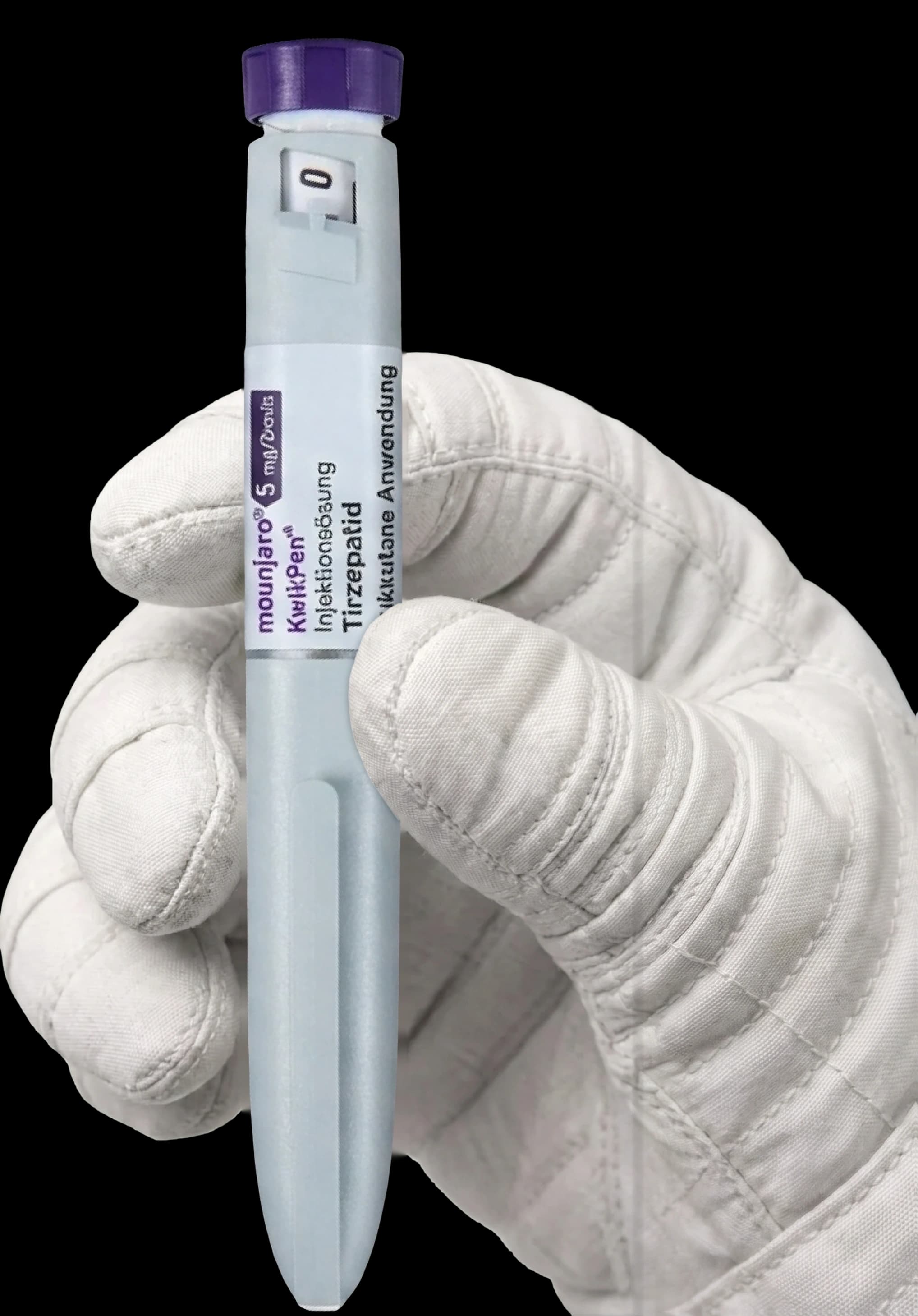
Mounjaro
(tirzepatide)
Once-weekly injection. The only dual-action GIP and GLP-1 treatment, with the strongest results seen in clinical trials — average weight loss of 20% or more at higher doses over 72 weeks. MHRA-licensed.
LICENSED PHARMACY & UK-LICENSED DOCTORS · FREE DISCREET DELIVERY
LIRAGLUTIDE · ONCE-DAILY INJECTION
Free discreet delivery
*Based on manufacturer trials. Individual results vary. Report suspected side effects via the MHRA Yellow Card scheme.
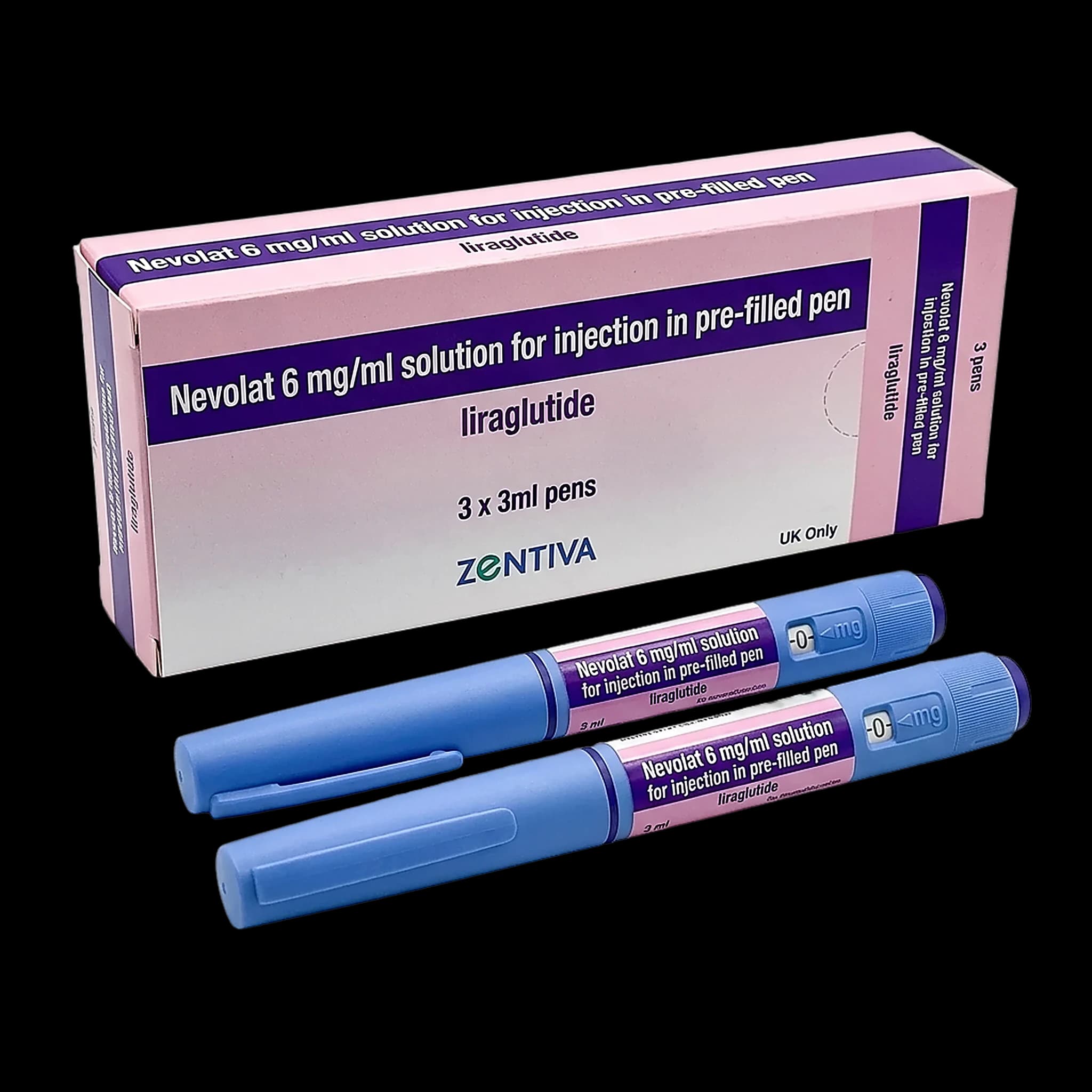
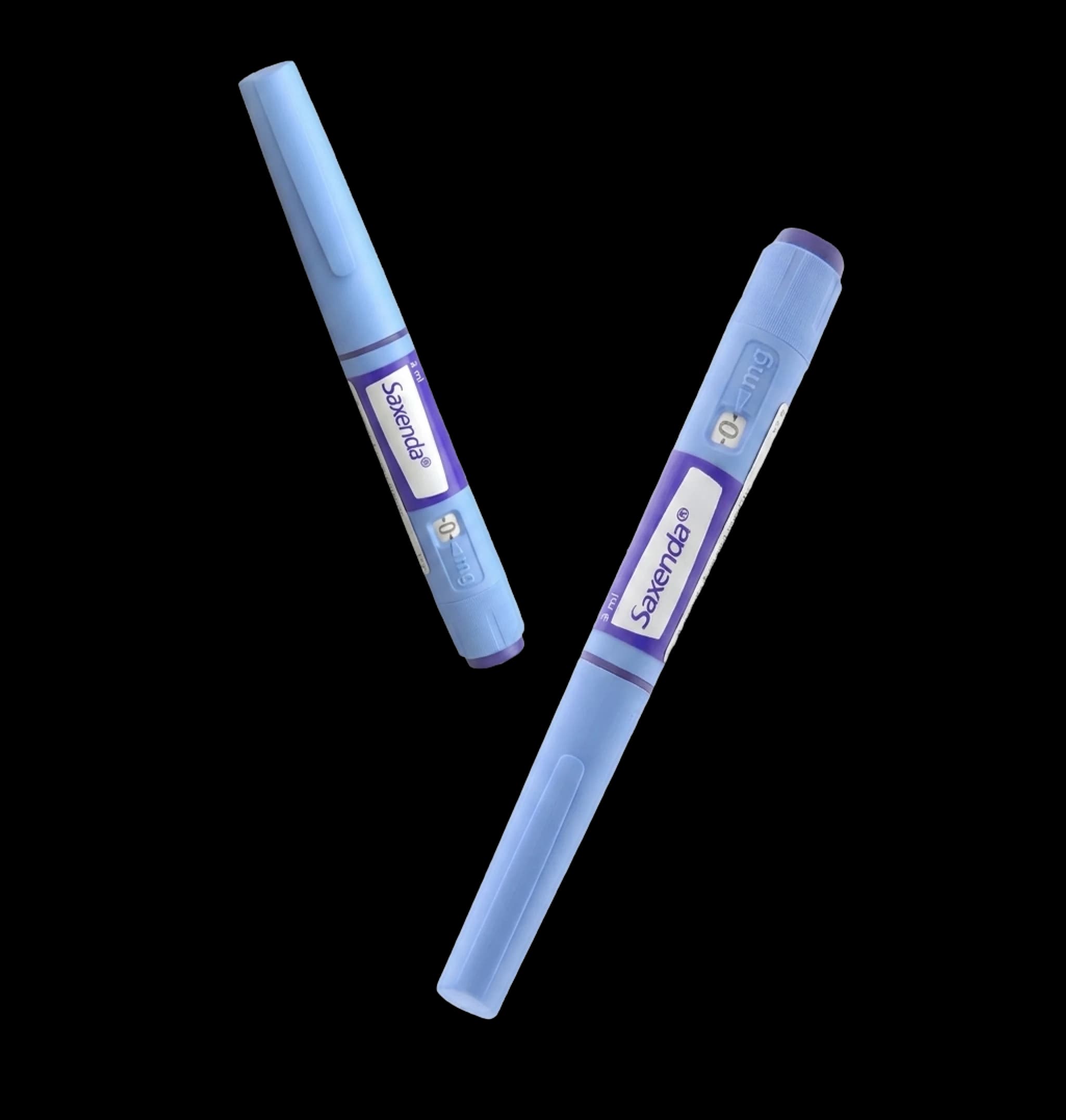
Liraglutide is the original GLP-1 weight loss injection, taken once daily and backed by more than a decade of real-world use. Branded Saxenda has been discontinued by Novo Nordisk — but the same medicine continues as Nevolat (generic liraglutide), with identical doses and effects, often at a lower cost.
SAXENDA SUPPLY
Yes. Novo Nordisk has discontinued branded Saxenda, redirecting manufacturing capacity toward newer treatments such as Wegovy. This was a commercial portfolio decision — not a safety withdrawal — and remaining branded stock has largely worked through the UK supply chain.
Residual branded stock has essentially gone from the UK supply chain and no more is being made. Generic liraglutide is the standard fulfilment; if your prescription names Saxenda, we can arrange the equivalent supply.
WHAT THIS MEANS
Clinically, nothing changes. Generic liraglutide — made by Zentiva — contains the same active ingredient at the same doses in the same style of daily pre-filled pen, under the same licence conditions.
Generics must demonstrate equivalence to the original brand: generic liraglutide is a like-for-like replacement, not a substitute medicine. Prescriptions naming Saxenda are routinely fulfilled with generic liraglutide, and your prescriber can update the wording.
Weekly semaglutide roughly doubled, and tirzepatide roughly tripled, liraglutide's average trial weight loss.
Many former Saxenda patients use this moment to upgrade rather than replace — a switch our prescribers can plan safely. If liraglutide is working well for you, though, there is no need to change.
GLP-1 weight loss treatments are licensed for adults who meet one of the following criteria, alongside a reduced-calorie diet and increased physical activity:
BMI thresholds may be adjusted for people from South Asian, Chinese, other Asian, Middle Eastern, Black African or African-Caribbean backgrounds, who are at higher cardiometabolic risk at lower BMIs.
Meeting the BMI criteria alone doesn't guarantee suitability — our prescribers review your full medical history. GLP-1 treatments are not suitable during pregnancy or breastfeeding, or for people with a personal or family history of medullary thyroid carcinoma or MEN 2, among other contraindications your prescriber will assess.
Basic Info
What is your height?
What is your weight?
Once daily
The original GLP-1 weight loss injection
Decade-plus safety record
Generic available
TRIAL WEIGHT LOSS RESULTS
8.0%
average weight loss over 56 weeks SCALE trial (liraglutide 3 mg)
Cross-trial figures are not head-to-head comparisons; individual results vary.
What Is It?
Liraglutide is a GLP-1 receptor agonist — the first medicine of its class licensed for weight management, back in 2015 as Saxenda, after years of prior use in type 2 diabetes (as Victoza). That history gives it one of the longest real-world safety records of any weight loss medicine: the class effects now familiar from Wegovy and Mounjaro were first mapped, at population scale, with liraglutide.
It's licensed for adults with a BMI of 30+, or 27+ with at least one weight-related condition, alongside a reduced-calorie diet and increased physical activity. Because liraglutide is shorter-acting than semaglutide or tirzepatide, it's injected once daily — at any time of day, with or without food, which some patients find easier to build into a routine than a weekly event.
Duration of action: liraglutide lasts about 24 hours; semaglutide and tirzepatide are engineered to last a week. Not a strength ranking in itself — and the fast clearance cuts both ways, offering quicker reversibility if you stop or react.
How It Works
Liraglutide mimics GLP-1, the fullness hormone released after eating: appetite falls, fullness arrives sooner and lasts longer, and the constant pull toward food loosens. Engineered to resist breakdown for around 24 hours, one daily dose keeps the signal steady.
Two practical quirks follow from the shorter action:
Effects — including any side effects — respond quickly to dose changes.
The medicine clears the body within days of stopping — which some patients and prescribers value for flexibility.
How To Inject
Wash hands; check the pen label, expiry, and that the solution is clear and colourless; attach a new needle each day and check flow on each new pen per the leaflet.
Dial your prescribed dose; choose stomach (5 cm from the navel), front of thigh or upper arm; clean the skin.
Insert fully, press and hold until the counter reads 0, count to 6, withdraw; dispose of the needle in your sharps bin.
Rotate sites daily; anchor the injection to an existing habit (morning coffee, brushing teeth) — same time daily isn't required, but routine drives adherence.
Side Effects
Nausea, diarrhoea, constipation, vomiting, headache
Indigestion, reflux, bloating, dizziness, fatigue, gallstones, injection-site reactions, raised heart rate
Dehydration, delayed stomach emptying symptoms, low blood sugar (with diabetes medicines)
Pancreatitis, severe allergic reaction, kidney injury from prolonged vomiting
A liraglutide-specific note: it can raise resting heart rate in some patients, and your prescriber may check pulse at reviews — report palpitations or a racing heart at rest. Tell any clinician before surgery or sedation that you use a GLP-1 medicine, and report suspected side effects via the MHRA Yellow Card scheme.
The Evidence
8.0%
average weight loss with liraglutide 3 mg vs 2.6% with placebo over 56 weeks
SCALE enrolled 3,731 adults with obesity or overweight plus a comorbidity for 56 weeks. Average weight loss was 8.0% with liraglutide 3 mg versus 2.6% with placebo; 63% of participants lost at least 5% of their body weight and a third lost more than 10%.
~6%
average loss maintained at three years of continued treatment
Continued treatment maintained an average ~6% loss at three years and substantially reduced progression to type 2 diabetes in participants with prediabetes — durable, real benefit, honestly more modest than newer options.
5%
minimum loss required after 12 weeks on the full 3 mg dose, or treatment should stop
Liraglutide's licence carries a rule newer medicines lack: if you haven't lost at least 5% of your starting weight after 12 weeks on the full 3 mg dose, treatment should stop, because continued benefit is unlikely. We enforce this — it protects you from paying for a medicine that isn't working, and it's the natural point to consider a weekly alternative.
Cross-trial figures are not head-to-head comparisons; individual results vary.
Cross-trial figures are not head-to-head comparisons; individual results vary.
Within 12 hours: take it when you remember. Beyond 12 hours: skip and resume tomorrow — never double up. If more than 3 days are missed, contact us before restarting, as re-titration may be needed.
Escalation is weekly rather than monthly — faster to full effect than the weekly injections, and steps can be slowed if side effects need more settling time.
COMPARE
Real medication. Real doctors. No inflated prices. Just results.
(tirzepatide)
Once-weekly injection. The only dual-action GIP and GLP-1 treatment, with the strongest results seen in clinical trials — average weight loss of 20% or more at higher doses over 72 weeks. MHRA-licensed.
(oral semaglutide)
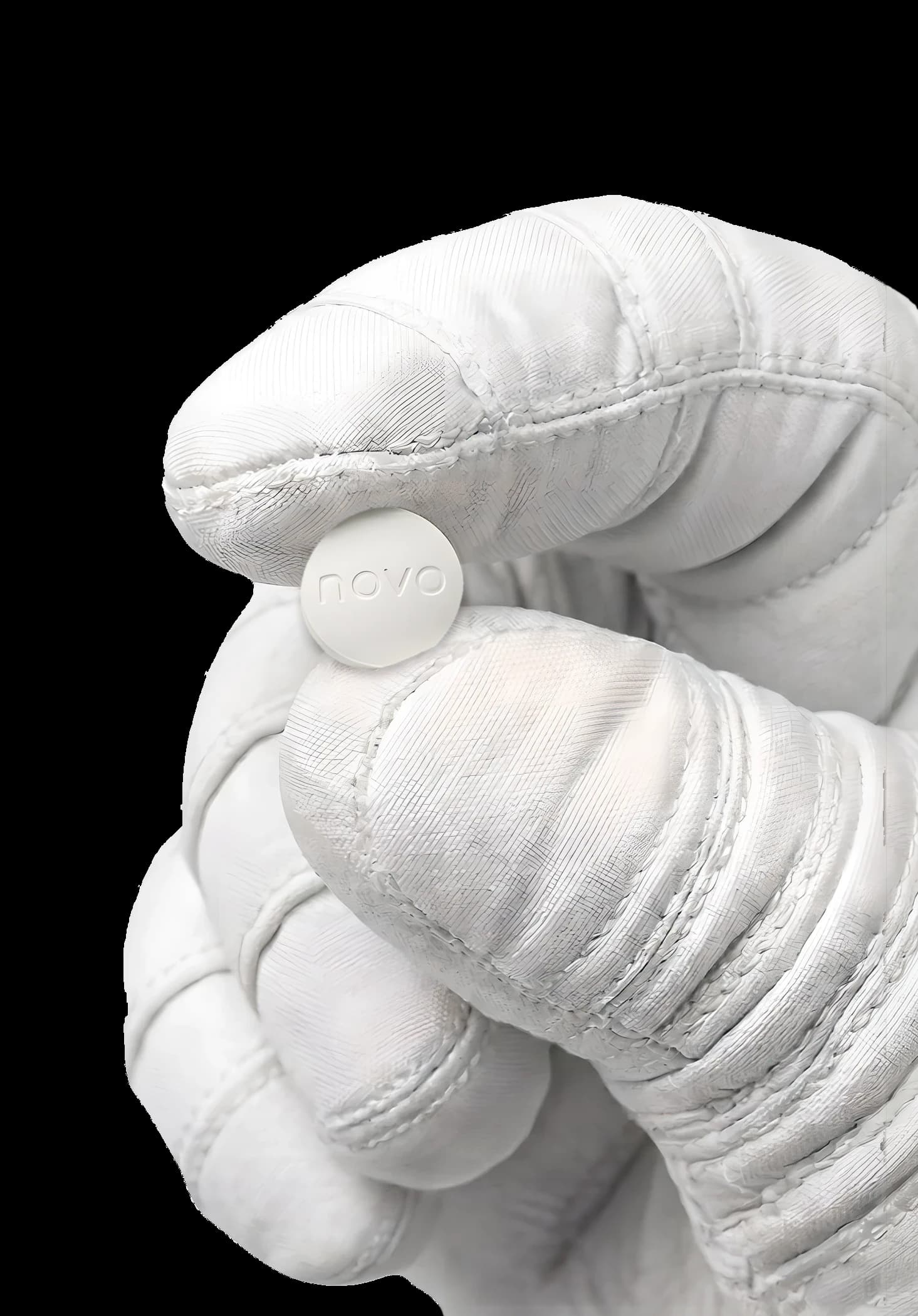
New for 2026. The UK's first once-daily GLP-1 weight loss tablet, MHRA-approved in June 2026. The same active ingredient as the Wegovy injection, with comparable weight loss in trials — no needles required.
(semaglutide)
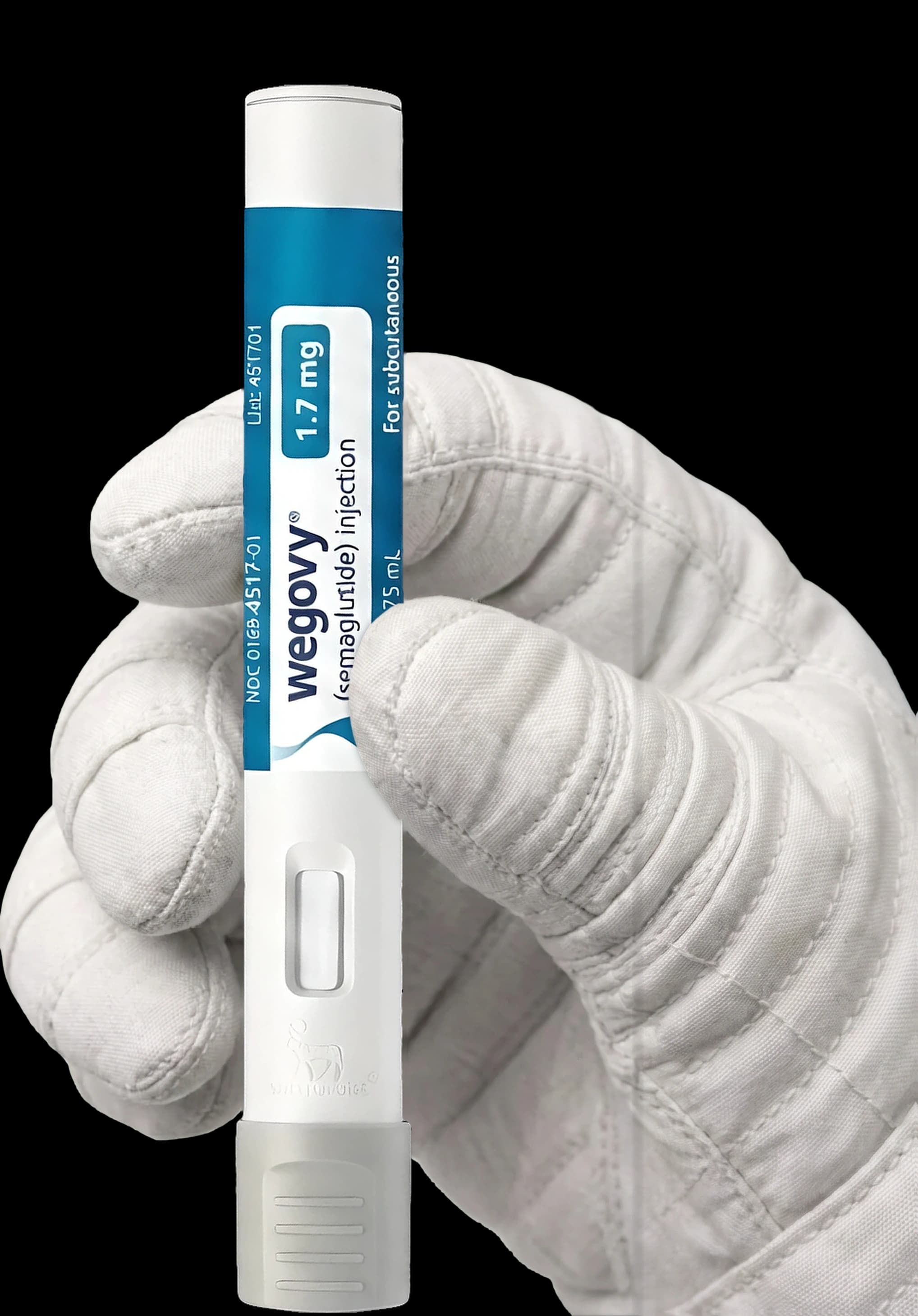
Once-weekly injection with an average 15% weight loss over 68 weeks in the STEP 1 trial, plus proven cardiovascular benefits in people with heart disease. One of the most widely prescribed weight loss treatments worldwide. MHRA-licensed.
(orforglipron)
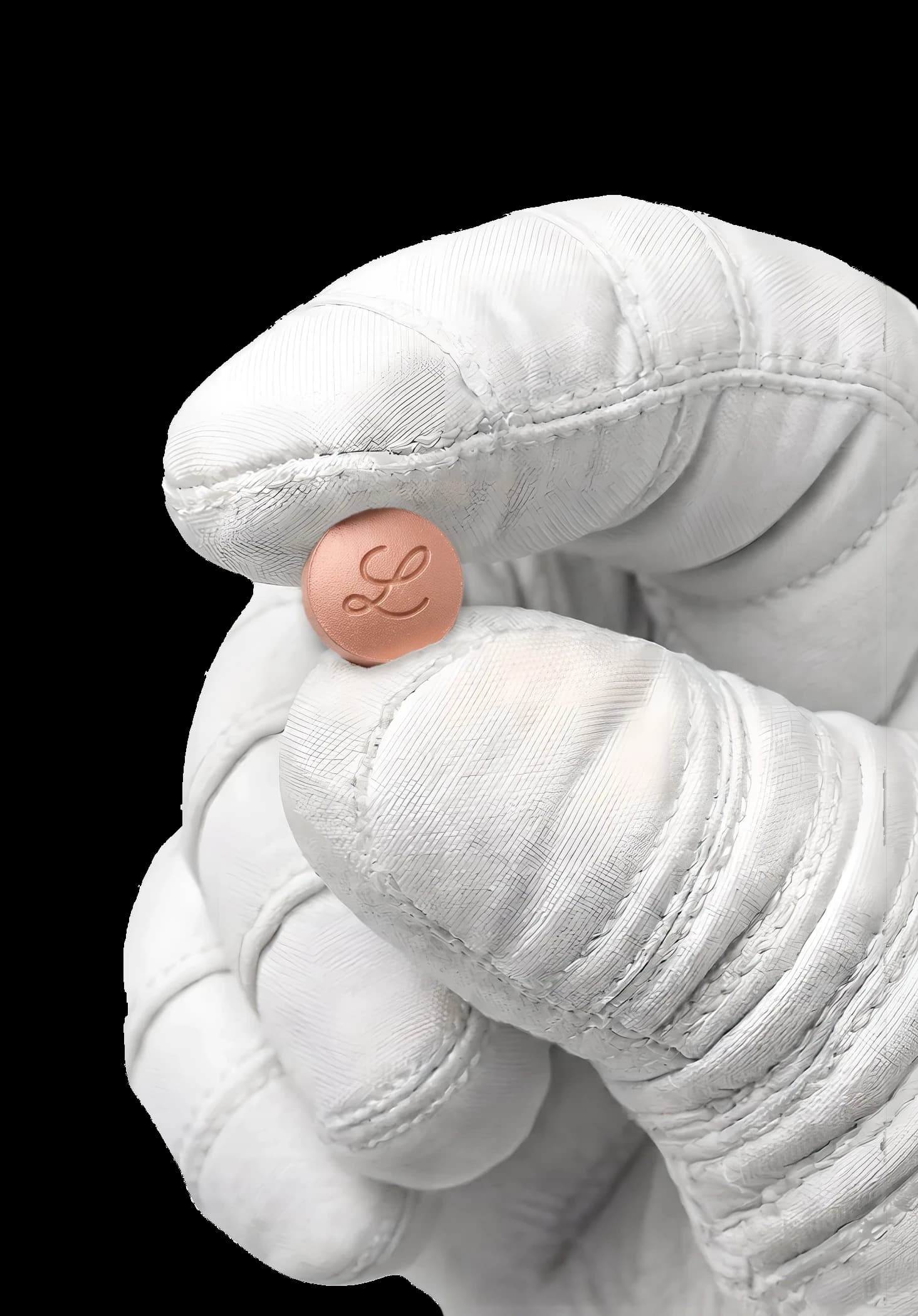
Eli Lilly's once-daily GLP-1 tablet, approved in the US in April 2026 and now licensed by the MHRA. It can be taken at any time of day, with or without food.
Price includes medication only, if prescribed. An active FromMars membership is required and billed separately. Membership does not include or guarantee a prescription; medication is not available without a membership.
WARNINGS
or if allergic to liraglutide or any pen ingredient.
a history of pancreatitis, or alongside any other GLP-1 medicine.
severe kidney or liver impairment, heart failure, and inflammatory bowel disease or gastroparesis.
consultation screens for eating disorder history.
Drug Interactions
Insulin and sulfonylurea doses often need reducing to avoid hypoglycaemia — coordinate with your diabetes team.
Slowed stomach emptying can modestly alter absorption; mention liraglutide so INR or level monitoring can be arranged.
No clinically significant reduction in effectiveness is expected — but pregnancy must be avoided on treatment, so reliable contraception still matters.
No direct interaction; moderation advised for the usual nausea-and-calories reasons.
Lifestyle
Protein first (~1.2–1.6 g/kg target weight) and resistance training twice weekly protect muscle — with liraglutide's more moderate loss curve, body composition gains from training show especially well.
Hydration (2 litres daily) eases nausea, constipation and headaches — the three most common complaints.
Because average loss is more moderate than the weekly options, diet quality carries proportionally more of the result on liraglutide: our pharmacists offer a structured intake review at week 6, ahead of the 12-week checkpoint.
Store pens at 2–8°C; never freeze. An in-use pen keeps below 30°C for up to one month.
Daily dosing means more needles — every order includes needles and a sharps bin; travel letters available; carry pens in hand luggage when flying.
Free next-day cold-chain delivery, unbranded packaging.
Long-Term Plan
Liraglutide clears within days of stopping, and appetite returns with it — regain follows without a plan, as across the whole class.
Realistic paths: continue at maintenance if it's working; step down gradually with structured lifestyle support; or switch to a weekly option.
GLP-1 medicines are never run together, and a washout/titration path is set by your prescriber — the 12-week checkpoint and any plateau are the natural moments to decide.
Sources
Pricing
Generic liraglutide (Nevolat) is priced per pen pack at [£X] per month at maintenance dosing — typically below the historical branded Saxenda price and below the weekly injections.
READY TO START?
Complete a free online consultation and our UK prescribers will guide you to the right choice.