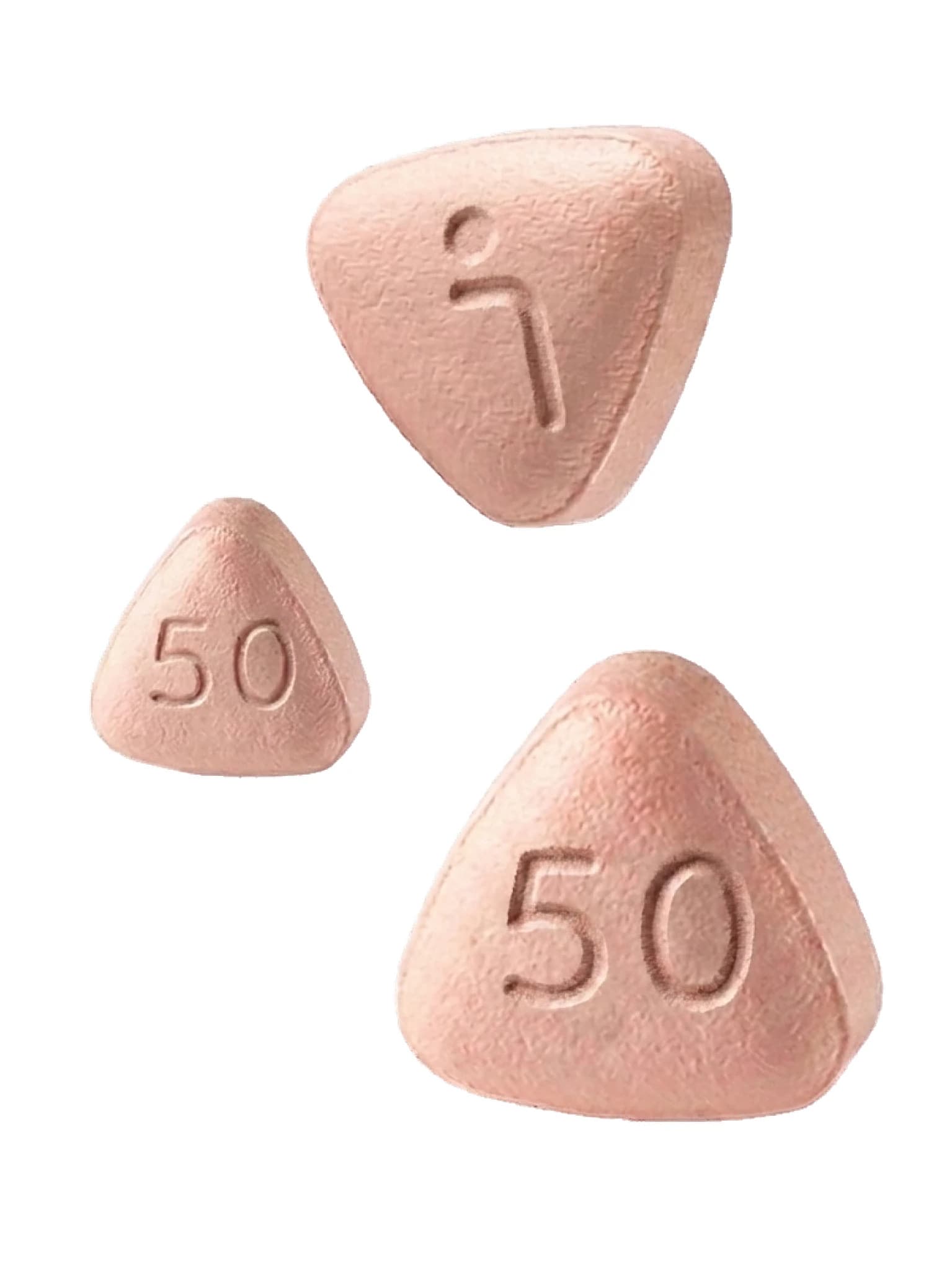
Wegovy Tablets
(oral semaglutide)
New for 2026. The UK's first once-daily GLP-1 weight loss tablet, MHRA-approved in June 2026. The same active ingredient as the Wegovy injection, with comparable weight loss in trials — no needles required.
LICENSED PHARMACY & UK-LICENSED DOCTORS · FREE DISCREET DELIVERY
DARIDOREXANT · IDORSIA · ONCE-NIGHTLY TABLET
Daridorexant for long-term insomnia, prescribed online by UK clinicians after a free sleep assessment.
Free discreet delivery
*Trial results are group averages achieved under study conditions; individual results vary.
Quviviq is the first medicine licensed in the UK specifically for long-term insomnia — and the first insomnia treatment recommended by NICE. Instead of sedating your brain the way traditional sleeping pills do, it blocks orexin, the chemical signal that keeps you awake — helping you fall asleep faster, stay asleep longer, and feel more functional the next day.
ABOUT THE MEDICATION
Quviviq is the brand name for daridorexant, developed by Idorsia. It belongs to a new class of sleep medicines — dual orexin receptor antagonists (DORAs) — and is licensed for adults whose insomnia has lasted at least three months and has a considerable impact on daytime functioning.
That licence wording matters: every previous prescription sleep medicine in the UK was restricted to short courses. Quviviq is the only one licensed for the long-term condition chronic insomnia actually is.
KEY FACTS
A once-nightly tablet in two strengths, 25 mg and 50 mg, taken within 30 minutes of going to bed.
Licensed for long-term insomnia — every previous prescription sleep medicine in the UK was restricted to short courses.
NICE recommended it (TA922) as an option where CBT-I has failed, is unsuitable or is unavailable.
It is not a benzodiazepine, not a Z-drug, and — unlike both — not a controlled drug in the UK.
On stopping, trials found no rebound insomnia and no withdrawal signs.
Once nightly within 30 minutes of bed
Licensed for long-term insomnia
Blocks the orexin wake signal
Not a controlled drug in the UK
How Quviviq Works
Traditional sleeping tablets work by amplifying GABA, the brain's general 'brake' — they sedate the whole brain, which is why they cause grogginess, memory fuzz and dependence.
Quviviq starts from a different question: what if the problem isn't too little sleepiness, but too much wakefulness?
Orexin is the neuropeptide that drives wakefulness — the biological 'stay awake' signal. In many people with chronic insomnia, this wake drive stays inappropriately switched on at night (that 'tired but wired' feeling). Daridorexant blocks both orexin receptors, turning the wake signal down so natural sleep can happen.
In Practice
Quviviq doesn't force sedation; polysomnography in its trials showed the normal proportions of sleep stages, rather than the altered sleep traditional hypnotics produce.
Daridorexant's duration of action was deliberately engineered to cover the night and clear by waking, minimising next-day hangover.
Uniquely for an insomnia medicine, its phase 3 programme measured and demonstrated improvement in daytime sleepiness and functioning, not just nighttime numbers.
Dosing & How to Take
Take one tablet within 30 minutes of going to bed — and only on nights when you can stay in bed for at least 7 hours before needing to be active.
It can be taken with or without food, but a large or late heavy meal delays how quickly it works — if you've eaten late, expect a slower onset that night.
Skip it — never take Quviviq in the middle of the night or double up the next night. One untreated night is fine.
Licensed for long-term use, with treatment reviewed at 3 months and regularly thereafter — continuation is a decision, not a default.
Side Effects
Quviviq was generally well tolerated in trials, with discontinuation rates similar to placebo. The profile:
Headache, sleepiness or fatigue, dizziness, nausea
Sleep paralysis (brief inability to move or speak when falling asleep or waking), hypnagogic/hypnopompic hallucinations (vivid perceptions at sleep-wake transitions)
Symptoms resembling mild cataplexy (sudden brief muscle weakness), complex sleep behaviours, worsening of depression or suicidal thoughts in those with existing depression
Driving and machinery: don't drive or operate machinery if you feel drowsy the morning after a dose. Caution is greatest in the first weeks, after any dose increase, and on nights with fewer than 7 hours in bed. If morning drowsiness persists, tell us — it's usually fixable with timing or dose. Report suspected side effects via the MHRA Yellow Card scheme. Our pharmacists are available throughout treatment.

The Evidence
1,850+
adults with diagnosed insomnia disorder, in two randomised, double-blind, placebo-controlled phase 3 trials
In the pivotal study of 930 participants, the 50 mg dose at three months significantly reduced the time taken to fall asleep and time spent awake during the night versus placebo (improvements from baseline of roughly half an hour on both measures), increased self-reported total sleep time, and — the first-in-class result — significantly improved daytime sleepiness and functioning scores (IDSIQ).
12
months of continuous use
A 40-week extension (giving up to 12 months of continuous use) supported maintained effect and a stable safety profile, with no evidence of tolerance — effects did not fade with time, the failure mode of traditional hypnotics.
On stopping, trials found no rebound insomnia (sleep worse than before treatment) and no withdrawal signs — the two hallmarks of dependence that constrain benzodiazepines and Z-drugs to short courses.
Trial results are group averages achieved under study conditions; individual results vary. NICE's recommendation includes a 3-month effectiveness review, which our service mirrors.
Quviviq comes as a once-nightly tablet in two strengths, 25 mg and 50 mg, taken within 30 minutes of going to bed.
Progress Over Time
Quviviq works from the first dose — there's no build-up period. Effect within the first nights is normal, though it can strengthen over the first weeks.
Falling asleep faster and fewer prolonged night wakings are typically the first changes patients notice; any early side effects usually settle in this window.
The daytime benefit — less morning heaviness, better concentration — tends to be the slower-building, more valued change. Keep a simple sleep diary.
Built into your treatment, in line with NICE: if Quviviq is clearly helping, treatment continues with regular checks; if it isn't, we stop it.
The Comparison
Real medication. Real doctors. No inflated prices. Just results.
Price includes medication only, if prescribed. An active FromMars membership is required and billed separately. Membership does not include or guarantee a prescription; medication is not available without a membership.
Drug Interactions
Additive effect on sleepiness and impairment — avoid combining, and never use alcohol as a 'top-up' on a bad night. Alcohol also fragments sleep, working directly against treatment.
Benzodiazepines, Z-drugs, opioids, sedating antihistamines and some antidepressants add to CNS depression — existing sleep medicines should be reviewed and tapered appropriately before starting, and dose adjustments may be needed. List everything in your consultation.
Strong CYP3A4 inducers (e.g. rifampicin, St John's Wort, carbamazepine) can make Quviviq ineffective — declare herbal products too.
WARNINGS
Blocking orexin (the signal narcolepsy already lacks) can worsen its symptoms.
E.g. clarithromycin, itraconazole, ritonavir — these raise daridorexant levels substantially; moderate inhibitors (e.g. erythromycin, diltiazem — and grapefruit juice in the evening) cap the dose at 25 mg.
Use 25 mg in moderate impairment. Not recommended in pregnancy or breastfeeding.
Or compromised breathing during sleep (untreated sleep apnoea, severe COPD) — screened in every consultation.
Licensed for adults whose insomnia has lasted at least three months and has a considerable impact on daytime functioning.
Lifestyle
Quviviq lowers the wake signal; your habits decide what fills the space. The combination that performs best in practice:
A fixed wake time seven days a week — the single most powerful insomnia habit, and it makes the medicine's job easier.
Caffeine cut-off by early afternoon; alcohol modest and not nightly; screens down in the final hour.
If you're awake more than ~20 minutes, get up, do something dull in low light, return when sleepy — this retrains the association Quviviq can't retrain for you.
If you can access CBT-I (NHS, apps, or private), take it — it's complementary, not competing, and it's what makes eventually stopping medication realistic.
Stopping Treatment
One of Quviviq's genuine advantages: in trials, stopping produced no rebound insomnia and no withdrawal effects, and it requires no taper — unlike benzodiazepines and Z-drugs, whose discontinuation can be harder than the insomnia they treated.
Practical approach: after a sustained period of good sleep (and ideally with CBT-I skills in place), a planned stop with a review two to four weeks later.
If sleep holds, you're done; if chronic insomnia reasserts itself, restarting is straightforward — it's a relapsing condition, not a personal failure.
Sources
Pricing
Quviviq is priced at [£X] per 30-tablet pack (one month), the same price at either strength.
READY TO START?
Complete a free online sleep assessment and, if Quviviq is clinically appropriate for you, our GPhC-registered pharmacy will dispense your treatment with free, discreet, tracked delivery and reviews built in.